 Effortless Superhuman · West Perth, Western Australia
Patient onboarding cut from 60 minutes to 15
Effortless Superhuman, an integrative health practice, spent an hour on each new patient's intake. We built a system on Cliniko and Claude in one day, and the practitioner now spends fifteen minutes reading and approving, with two sign-offs on every patient.
Call 1800 570 693 to talk to the demo agent. Plans start at A$299 a month, GST included.
New patient
Patient name
Run onboarding
From ClinikoMCP
- DNA report
- Gut microbiome panel
- Blood work
- Radiology
- Intake history
For sign-offWord
- Executive summary
- Treatment protocol
- Meal plan
- Supplement plan
Clinical analysis Client documents
- 60 minOnboarding a patient, before
- 15 minReading and approving, after
- 2Sign-offs on every patient
- 1 dayTo build, with the practitioner in the room
Stephen HooperFounder, Effortless Superhuman
The team at Vertical AI built a custom workflow for my integrative health practice that was exceptional from start to finish. They were easy to work with, quickly understood my clinical needs, and delivered exactly the outcome I was after in around five hours of focused work. Within a week of going live, the cost of the engagement had already been recouped in hours saved within the business. I would happily recommend Vertical AI to any practitioner looking to bring intelligent automation into their practice.
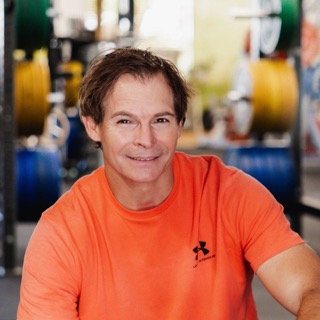
The practice
Effortless Superhuman is a physiotherapy and integrative health practice in West Perth. Its director, Stephen Hooper, combines physiotherapy, integrative health and CHEK holistic lifestyle coaching, and his patient cases pull DNA reports, gut microbiome panels, blood work, radiology and intake histories into one clinical picture.
The practice runs on Cliniko, the Australian-built practice management platform used by allied health clinics in Australia, New Zealand and the UK.
The manual loop
Every new patient started the same loop, and the hour Stephen wanted for clinical thinking went on formatting documents.
- 1Download the documents from Cliniko
- 2Upload them somewhere else
- 3Reframe the analysis
- 4Copy the output into Word
- 5Hyperlink every supplement
- 6Format the document until it looks right
The system we built
Stephen types a patient's name, and the system pulls the records from Cliniko, runs the analysis in his structure and writes finished Word documents on his laptop.
One build day
We built it in a day with Stephen, around his clinical thinking, and it ran on real patients the following week.
Two human sign-offs
Stephen reviews the work twice on his own device before anything reaches the patient, once on the clinical analysis and once on the client documents.
Updates in plain English
Stephen changes the system by describing the change in plain English, without a developer. The clinical rules belong to him.
The build
- Model
- Claude Opus
- Skill
- One custom Claude Skill
- Integration
- Cliniko MCP server
- Tools
- 14
- Clinical rules
- 11
- Output
- Four Word documents
The four documents
- Executive summary
- Treatment protocol
- Meal plan
- Supplement plan with live purchase links
What the practitioner keeps
The clinical thinking, the judgement and the final accountability stay with the practitioner. The AI does the mechanical work of analysing DNA reports, interpreting gut microbiome panels, cross-referencing blood work and drafting the treatment protocol. Each document comes back in Stephen's voice, against his rules, and waits for his sign-off before it leaves his laptop.
Builds for other practices
A build like this
Every build starts with the practitioner's own clinical thinking and connects to Cliniko and the other tools the practice runs on. We build remotely for practices across Australia and overseas.
A first call
On a first call we look at where the hours go in your practice and sketch the system for your workflow.
Questions
The practitioner types a patient name. The system pulls the records from Cliniko, runs the clinical analysis, and produces finished documents on the practitioner's device. The practitioner reviews the work and signs off twice before anything reaches the patient.
Yes. Claude Opus reads and cross-references DNA, gut microbiome, bloods, and radiology in the same pass, then produces an integrated clinical picture.
Two human-in-the-loop checkpoints. The practitioner signs off before anything leaves their device. Clinical judgement stays with the practitioner; the AI handles the mechanical work.
Yes. The practitioner describes the change in plain English. Day-to-day adjustments need no code editor and no developer.
The Effortless Superhuman build took one day, with the practitioner in the room. The system saw real patients the following week.
Yes. The system connects directly to Cliniko and pulls patient records and attached documents without the practitioner downloading anything by hand. Cliniko runs in allied health practices across Australia, New Zealand, the UK, and beyond.
No. Vertical AI is a Perth-based AI agency, but the build and support process runs remotely. We work with allied health clinics and integrative health practices across Australia and internationally.
More case studies
 The Mayfair Emerald
 OPMS
OPMS


Book a call
A first call looks at the admin in your week that a build could take over.